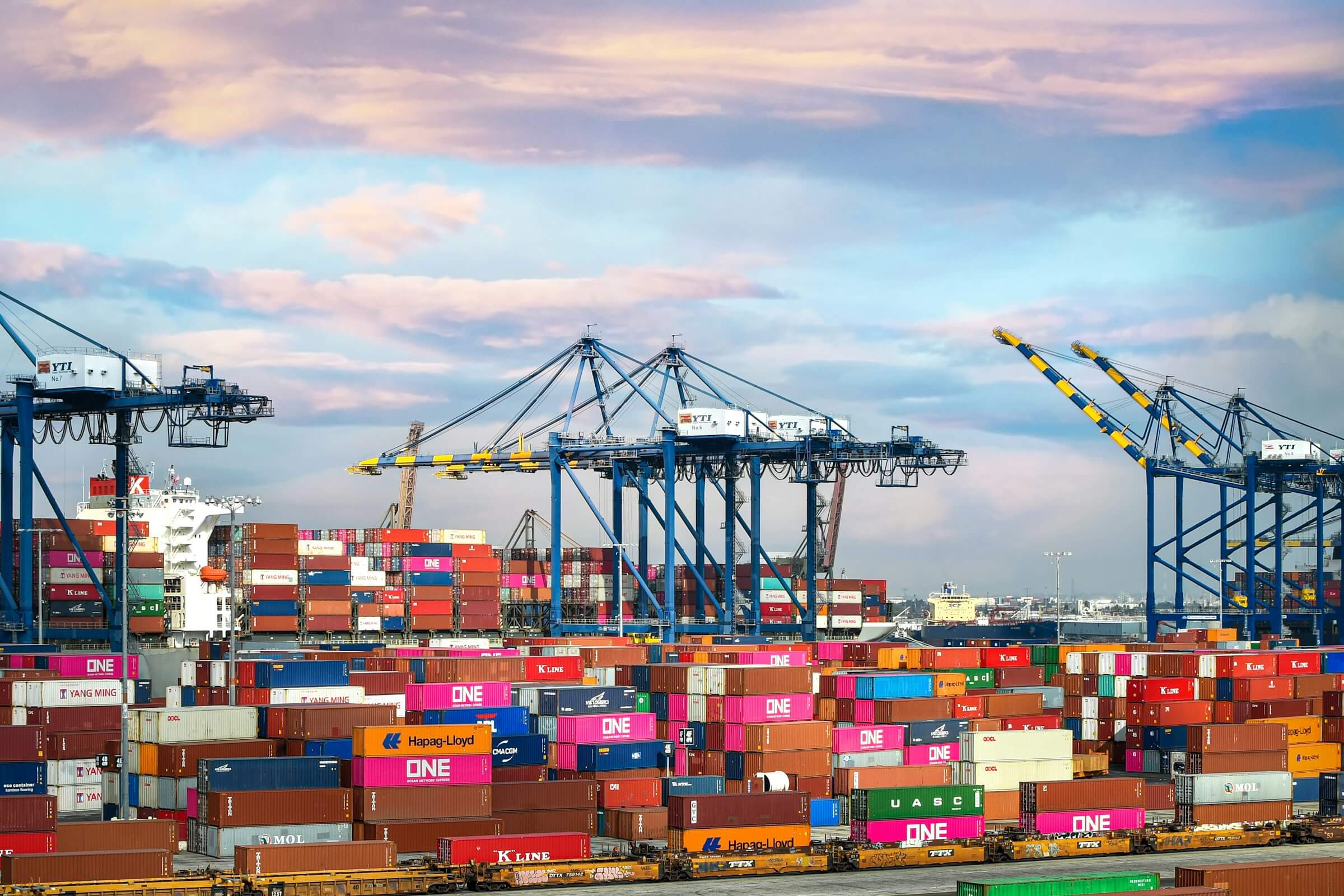
Across Australia, New Zealand and Canada, the transport and logistics sector is facing a quiet but urgent challenge: succession.
- In Canada, 76% of private business owners plan to exit in the next 10 years — including many in freight, warehousing, and logistics.
- In Australia, the average age of transport business owners is nearing 60, and many still work 60+ hours a week.
- In New Zealand, transport SMEs are essential to regional supply chains — yet most lack a clear succession plan.
And while much of the public conversation focuses on infrastructure and fuel costs, what’s missing is this:
Who will run the trucks when the founder steps back?
Why This Sector Is Especially Vulnerable
The transport, trucking and logistics sector is built on more than vehicles and depots. It’s built on relationships, reliability and rhythm — which means succession is not just a financial transaction. It’s an operational handover.
Yet many founders are stuck in one of three traps:
- “No one else can run this the way I do.”
A natural belief — but often false. Many operators underestimate their team’s capabilities. - “My team can’t afford to buy me out.”
Fair — but solvable. Modern buyouts use vendor finance, business cash flow and hybrid structures, not personal wealth. - “I’ll just keep going for a few more years.”
Until what? Health changes? Market shifts? Burnout? That’s not a strategy — it’s a risk.
Why Transport Businesses Are Ideal for Internal Succession
Despite the challenges, this sector is exceptionally well-suited to employee- and management-led buyouts. Here’s why:
1. Institutional Knowledge Is on the Inside
Your dispatcher, depot manager or lead driver may know the operation better than anyone. They’ve grown with the business — and are often the first to step up when things go wrong.
2. Strong Cash Flow = Buyout Potential
Freight businesses with long-term contracts, strong utilisation and asset backing (trucks, land, depots) are great candidates for vendor-financed or debt-supported buyouts.
3. Relationships Drive Revenue
Clients stick with transport providers they trust. That makes continuity of leadership a critical part of the value — and a reason to avoid disruptive third-party sales.
4. Loyalty Is Real — and Worth Rewarding
Many team members in transport SMEs have stayed for 10+ years. An ELBO rewards that loyalty and builds a new generation of owner-operators from within.
What’s an ELBO — and How Does It Work?
An Employee-Led Buyout (ELBO) is a structured transition where ownership passes from the founder to a group of internal leaders — often using:
- Vendor finance — you’re paid over time, funded by business profits.
- Bank or asset-backed lending — using contracts or fleet as collateral.
- Employee share schemes — structured to gradually shift ownership.
- Hybrid ownership models — combining employees with aligned external capital.
Your team doesn’t need to have personal wealth — the business finances the deal.
You retain control of the timeline, structure, and legacy.
A Realistic Example: Regional Freight Operator (AU/NZ)
A founder of a regional trucking firm — 35 vehicles, 3 depots, and long-standing logistics contracts — was looking to retire.
- Rather than sell to a larger competitor, he worked with advisors to sell 60% of the business to two senior staff via vendor finance.
- A trust structure was created for other employees to participate over time.
- He stayed on as Chair for 18 months, supporting governance and key client handovers.
- The company retained staff, renewed contracts, and improved margins under the new leadership.
Result: Legacy protected. Wealth realised. Team empowered.
Start Here: 5 Steps for Transport Founders
If you’re a transport or logistics business owner thinking about succession, here’s how to begin:
1. Map Your Team
Who could step up into ownership or leadership? Even if they need coaching, start the conversation.
2. Get a Valuation
Understand what your business is worth — not just to you, but to an internal successor or buyer.
3. Design a Transition Model
Explore structures like vendor finance, trusts, share schemes or hybrid options tailored to your needs.
4. Plan for the Post-Deal Phase
A successful buyout includes coaching, performance tracking and leadership support — not just a signed contract.
5. Protect What You’ve Built
Succession isn’t just about stepping away. It’s about making sure the business — and your people — keep moving forward.
Why Blue Harbour Capital?
We help founders in transport and logistics transition ownership without selling out.
- We design ELBO and MBO structures that unlock value and continuity.
- We coach the next generation of owner-leaders.
- We bring structure, financing and governance support — before and after the deal.
- We help you protect your reputation, contracts and company culture.
Let’s Talk Succession in Transport
You’ve built something reliable, respected and regional.
Now it’s time to plan your next chapter — and pass the keys to people who’ll keep it running.
Contact us for a confidential conversation.