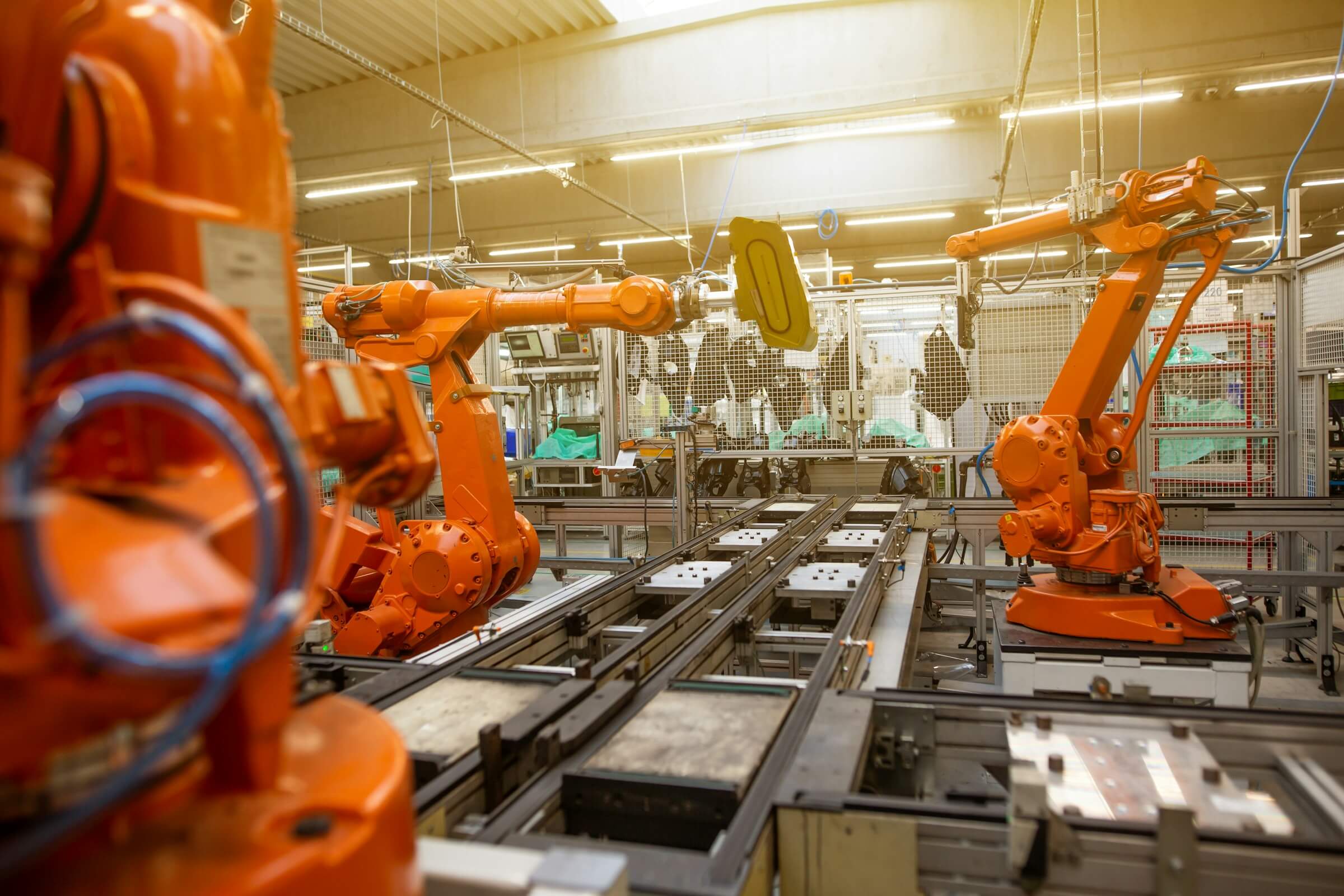
Across Australia, New Zealand and Canada, thousands of small and mid-sized manufacturers are approaching a quiet but defining moment: succession.
For decades, these businesses have powered local economies — producing everything from precision components to food packaging, electrical systems to medical devices. But in many cases, they are:
- Founder-led
- Cash flow positive
- Under-prepared for succession
In Canada, over 75% of private business owners plan to exit within 10 years, yet most lack a formal succession plan. In Australia and New Zealand, the manufacturing base is shrinking — not from lack of capability, but from lack of continuity. And in all three countries, intergenerational handovers are declining, and trade sales rarely reflect full business value or culture.
Why Manufacturing Businesses Struggle With Succession
Here’s the reality many founders face:
- The next generation isn’t interested.
Your kids may not want to take over the business — and that’s OK. - Your team can run the plant — but not the deal.
Most manufacturing teams are operationally capable, but unfamiliar with ownership models. - Buyers don’t understand your niche.
Strategic acquirers may offer value — but they can also strip out your people, processes and purpose. - Founders don’t want to “just walk away.”
You’ve built this business over decades. You want to extract value — but also leave something that lasts.
This is where Employee-Led Buyouts (ELBOs) or Management Buyouts (MBOs) provide a powerful alternative.
Why Manufacturing is Perfectly Suited to ELBOs
Unlike high-growth tech or passive real estate, manufacturing businesses rely on people, systems, and continuity. That makes them ideal for structured internal succession. Here’s why:
1. Embedded Capability
Your plant manager, operations lead or head of QA knows how things run — and how they break. These are often the people best placed to lead the business into the future.
2. Predictable Cash Flow
Stable margins, multi-year contracts and inventory turnover provide the cash flow needed to fund staged exits — often without requiring outside investors.
3. Asset-Backed Financing
Many manufacturers own equipment, stock or real property — making them strong candidates for bank lending or vendor finance.
4. Strong Culture and Skilled Labour
Manufacturing teams value loyalty, stability and clear leadership. Internal transitions retain your skilled workforce — and reduce churn risk during handover.
5. Reputation = Retention
Suppliers, distributors and customers often prefer consistency over reinvention. Keeping your brand, systems and people intact matters.
What is an ELBO — and How Does It Work?
An Employee-Led Buyout is a structured transition in which ownership passes from the founder to internal leaders or staff. These are not informal handshake deals. They are formal transactions that preserve value and continuity.
Typical funding tools include:
- Vendor finance — You receive payments over time, funded by business profits.
- Bank or asset-based lending — Loans secured against stock, property or receivables.
- Trust structures — Employee ownership trusts or share plans tailored to local law.
- Hybrid models — Combining employees with aligned external investors.
The key is: employees don’t need personal capital upfront. The business pays for itself over time — through a structure that’s fair, practical and growth-aligned.
Case Insight: Precision Manufacturer in Regional Canada
A family-owned components manufacturer with 38 employees faced a succession decision. The founder was nearing retirement. His children weren’t interested. A competitor made an offer — but would relocate production and reduce staff.
Instead, the founder worked with advisors to structure a vendor-financed management buyout, selling 70% of the business to three long-term employees. A portion of equity was held in trust for future employee participants.
- The founder was paid out over five years.
- Staff turnover dropped to near-zero.
- A new board was formed with coaching and financial reporting rhythms.
- Revenue increased by 15% under the new ownership team.
Legacy retained. Liquidity unlocked. Culture preserved.
The Blue Harbour Model: Succession Beyond the Sale
At Blue Harbour Capital, we specialise in helping manufacturing founders:
- Structure internal succession using ELBOs, MBOs or hybrid models
- Navigate valuation, deal terms and capital structuring
- Coach and support the next generation of owners and leaders
- Set up governance, KPI monitoring and post-deal planning
We are not private equity.
We don’t take control.
We help you exit in a way that works for you — and your people.
Five Steps to Start Your Manufacturing Succession Plan
1. Start With Your Goals
How much do you need from the business? How much involvement do you want post-exit?
2. Assess Your Team
Do you have operational leaders who could take the reins — with the right support?
3. Get a Valuation
Know what your business is worth — based on EBITDA, assets and transfer risk.
4. Explore Structures
From staged vendor finance to trust-based ownership models, work with advisors who understand manufacturing complexity.
5. Invest in the Post-Deal Phase
Coaching, 100-day plans, leadership development and dashboards — these are what make internal transitions succeed in practice.
The Alternative? Loss of Control, Value and Legacy
The most expensive decision you can make is doing nothing.
Wait too long — and you’re forced to sell under pressure.
Sell to the wrong buyer — and your people and reputation pay the price.
Keep control too tightly — and your business can’t outlive you.
Let’s Talk Succession in Manufacturing
You’ve built something that works. Something with machines, margins — and meaning.
Now it’s time to turn that into a legacy.
Reach out to Blue Harbour Capital for a confidential succession conversation.
We help manufacturers turn continuity into confidence — and transition with clarity.