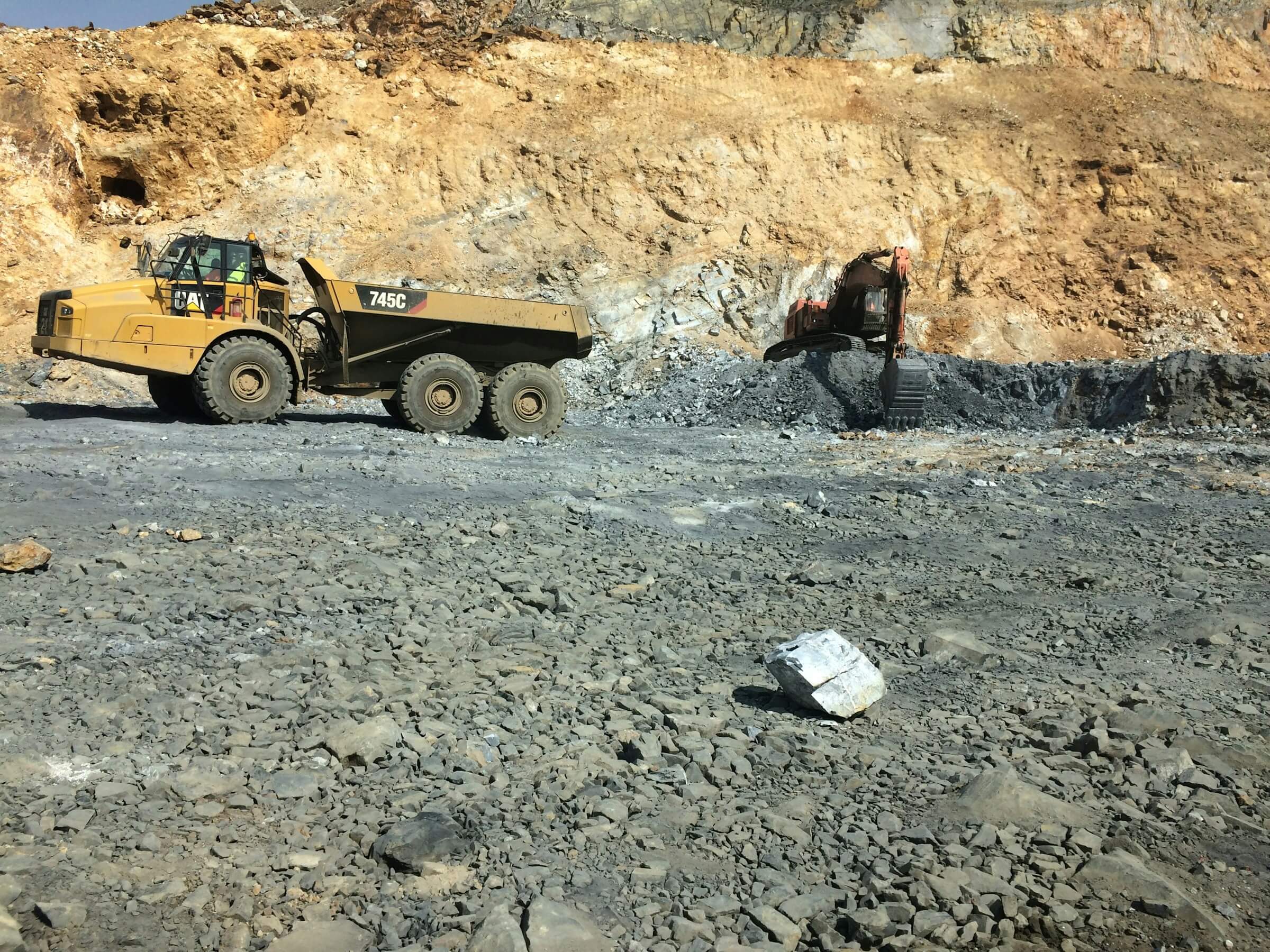
Concrete and aggregate businesses are the hidden backbone of every building, road, and civil project.
- Concrete batching plants
- Precast yards
- Quarry operations
- Concrete placing and pumping crews
They all operate with tight margins, tight schedules, and tight teams — often led by a founder who’s been hands-on for decades.
And yet, very few of these businesses have a clear succession plan. Most are still founder-run — with pricing, contracts, logistics and compliance all flowing through one or two people. The trucks might be automated. The batching systems might be digital. But the business still turns on a single name — yours.
Now, the question is:
How do you step back without it all falling down?
Why These Businesses Are Hard to Sell — But Easy to Transition
Heavy materials businesses face unique succession challenges:
1. Capital-Intensive, Regionally Tied
Your plant or quarry is valuable — but only to the right buyer, in the right market, at the right time.
2. Crew Loyalty Is Critical
Your foreman, pump operator or site lead has been with you for 10+ years. Selling to outsiders risks turnover — or worse, competition.
3. Founder Controls the Margin
In many firms, only the founder prices jobs, quotes supply, or negotiates with builders and GC clients.
4. Environmental & Safety Compliance Is Personal
Regulatory knowledge is often undocumented — and lives in your head.
This makes these businesses difficult to sell to outsiders, and dangerous to passively hand off. But it also makes them perfectly suited for structured internal succession.
Why ELBOs Work in Concrete & Quarrying
An Employee-Led Buyout (ELBO) or Management Buyout (MBO) gives you the ability to:
- Extract value from the business
- Transition gradually to people who already run it
- Retain your team, clients, and local reputation
- Avoid a rushed sale, merger, or silent wind-down
Here’s why this model works so well in heavy materials:
1. Equipment-Backed Financing
Batching plants, mixers, loaders and weighbridges are valuable security. Banks and private lenders can support funding — especially with vendor finance in place.
2. Your Crew Already Runs the Show
Your plant manager, dispatch lead or pump foreman probably knows more about uptime and customer issues than any external buyer ever could.
3. Stable Cash Flow, Predictable Cycles
If you’re supplying builders, councils, or civil contractors, your revenue is linked to long-term demand — ideal for multi-year succession deals.
4. Trust = Retention
Clients stick with reliable service. An ELBO protects continuity of service and contract integrity — especially when announced early and executed well.
Real Case Snapshot (Anonymised – Australia)
Business: Independent concrete batching and placement company servicing a metro and regional area
Size: ~$9M revenue, 30+ staff, 10 agitator trucks, 3 boom pumps
Challenge: Founder (late 60s) wanted to step back. Kids not involved. Two senior leaders (GM and Pump Manager) were capable but not capital-backed.
Solution:
- Structured MBO via vendor finance over 5 years
- Founder retained 30% and advisory role in pricing strategy for 18 months
- Equipment refinanced and cash flow modelled to support staged payments
- New directors mentored and coached post-deal
Outcome:
- No client loss during transition
- Staff retention held at 95%
- Founder fully exited with successful payout completed in year 6
Source: Blue Harbour Capital engagement (anonymised)
What Is an ELBO — and How Does It Work?
An ELBO is a structured ownership transition from founder to internal team — without requiring employees to fund the purchase out-of-pocket.
Typically involves:
- Vendor finance — you’re paid from profits over 3–6 years
- Asset-backed lending — secured against plant, vehicles, inventory
- Share schemes or trusts — allowing phased equity for operators
- Coaching and governance — ensuring your team grows into ownership, not just management
Why Founders Like You Choose This Path
“I don’t want to sell to a corporate and lose the crew.”
Internal succession protects the team who built the business with you.
“My ops guys could run this — they just don’t know how to buy it.”
We help design the structure and coach them through it.
“I still want to be paid — but I’m not in a rush.”
Vendor finance means you exit over time — while staying involved if needed.
“My name means something locally. I don’t want it ruined.”
ELBOs let you protect reputation, quality and customer service.
How Blue Harbour Capital Supports Founders in Heavy Materials
We specialise in helping regional and industrial founders:
- Structure employee-led or management buyouts
- Use vendor finance and plant-backed lending
- Coach the incoming owners to lead and govern the business
- Set up post-deal reporting, succession milestones and client communication
- Preserve your culture while securing your payout
We’re not buyers. We’re not investors.
We help founders exit with structure, dignity, and continuity.
Five Steps to Start Succession in Concrete or Quarrying
- Map your team
- Who’s running ops today? Could they step up with the right structure?
- Get a valuation
- Consider asset value, contract pipeline, and client mix
- Assess deal structuring options
- Vendor finance + bank lending + employee buy-in
- Build a transition plan
- Roles, timelines, governance, communications
- Coach the next generation
- Leadership, financial acumen, safety accountability, commercial strategy
Let’s Talk Succession in Concrete, Quarrying & Placement
You’ve poured the slabs and built the foundations for others.
Now it’s time to build yours.
Contact Blue Harbour Capital for a confidential, founder-first succession conversation.
We help heavy material businesses hand over the keys — without dropping the ball.